The who, what, when, where, and why of AI
In this modern technological age, many things are changing. Teachers, parents, and students alike are questioning the who, what, when, where, and why of AI. What is it? What’s the Solution? Furthermore, what exactly is the problem?
The problem with AI
It’s no secret that AI systems are supremely diverse in their ability to assist humankind. From coding to cooking recipes, the functionalities of these systems are simply unrivaled. As Alan Moore, one of the most influential and acclaimed authors ever, states, “Technology is always a two-edged sword.”
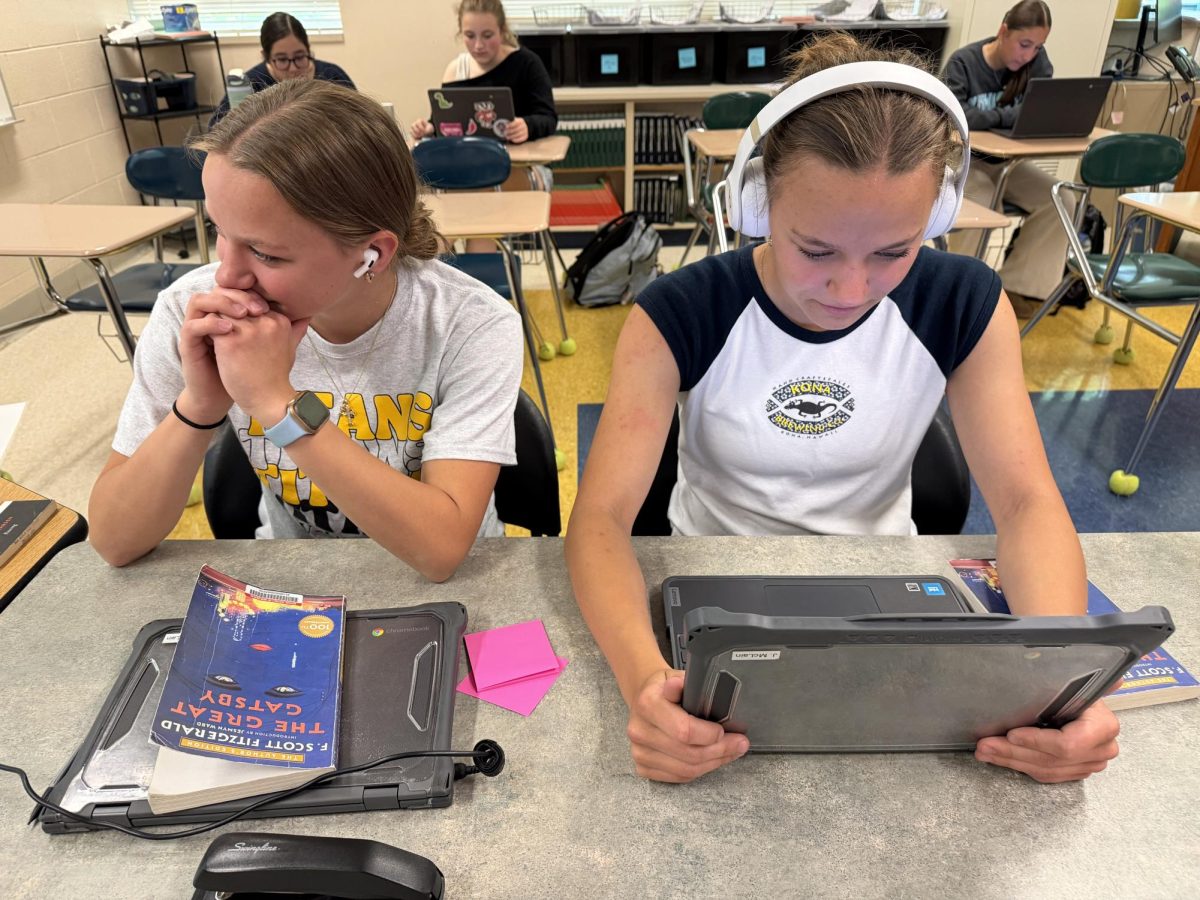
While AI is used for a lot of good work, its accessibility and productiveness warrants the ability for students to cheat, quickly, creatively, and un-noticably like never before. For example, things like writing essays, generating code, and solving problems in a matter of seconds. That method can be done outside of educational settings, risk-free at any time. Students are also getting their hands on AI during tests due to educator error and a lack of surveillance, solvingtests questions and prompts instantly with a unique response that shows work, and word answers just like a student would. AI possibilities are limitless, and the exponential growth of innovation hasn’t slowed and likely won’t.
The United States College Board states, “The percentage of high school students who report using GenAI tools for schoolwork is growing, increasing from 79% to 84% between January and May 2025”. Meaning, over eight in ten high school students report using AI in some aspect of their education, and this number is quickly growing. Things like over-reliance, plagiarism, and superficial learning are, in fact, things we see day-to-day in the high school setting, to the point that teachers and administrators have already begun implementing strategies and tools to combat fraud. For example, things like AI blockers, detectors, and an increase in accusations across the board. Many teachers are even implementing AI into their classroom experience, whether it’s lesson plans or simple in-class study tools; it’s here, and it has most definitely made a name for itself.
Will AI ruin education
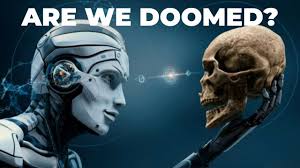
The answer is more so a factor of opinion, rather than fact, at this point. College Board Vice President of Research, Jessica Howell, states, “Our research-driven approach ensures that schools at every level, including our vast network of K−12 and higher education members, have the clarity and confidence to navigate this shift while keeping authentic student learning at the center”(College Board). The consensus is that the human existence long idea of education will, in fact, continue, but change. Now that we have smarter tools, it doesn’t mean we take a back seat; we already see the benefits of AI at every level. Furthermore, the top minds in education are working day in and day out to correctly implement this new system into education using the safest methods possible. As of now, what we know is that education is protected, but it is due to change.
Should people be worried?
Simply put, no, people should not be. Just like the development of any new technology or gadget in this day and age, fear-mongering seems to follow. From TV’s making the youth go blind to the internet destroying face-to-face interaction, speculations and concerns have been around for every generation. The power is in the hands of the beholder. Because sure, sitting too close to the TV can have bad effects on vision, and spending all your time inside “doom scrolling” on your phone can damage your social skills; however, these same tools can also be used for plenty of good. Things like connection, learning, and healthy entertainment are all ways these tools can be used for your benefit. You wouldn’t use a rake to dig a hole or a shovel to clean up leaves, so learn how to pick the right tools and use them correctly. Too much of anything is bad for you, just like the internet, which almost everyone uses daily. AI will become second nature. Individually, there’s nothing we can do to stop or change that fact. The fact of the matter is that AI is ultimately a tool, not a lifestyle. Use it, but don’t abuse it and become dependent on it.
What’s the solution
The plethora of negative news surrounding this enigma has people questioning: What’s the solution? There have been many suggestions recently concerning AI in school, for example, “Do we block it?” “Do we switch back to paper?” The truth is, new implementations like this are inevitably going to be put to use; you can’t just block or stop them. Humans are clever and persistent and will find a way to do what they want. Working on paper actually just makes AI harder to detect since the student will have to write in their own words. The true solutions to this problem are already in place. Things like standardized testing, in-class work, and showing up for educational future-oriented events like junior conference, all eliminate the power people fear AI gives to students. Ultimately, AI can be a great study and planning tool, but the students who truly want to learn and succeed will, and the same goes for the other side. While yes, some students may get away with a few fraudulent homework assignments or tips on ideas for a self-narrative, there’s no AI when you sit down for the ACT, no AI covering for you when you show up late to class, no AI to do your physics labs, and no AI to sit in class for you and complete work alongside your peers. AI is our tool, not our education, not our work, not our upkeep, but a new and improved assistant following the introduction of the internet. Don’t be scared of it, be aware of it, learn from it, and grow from it, so we can move forward as a productive and sound society.